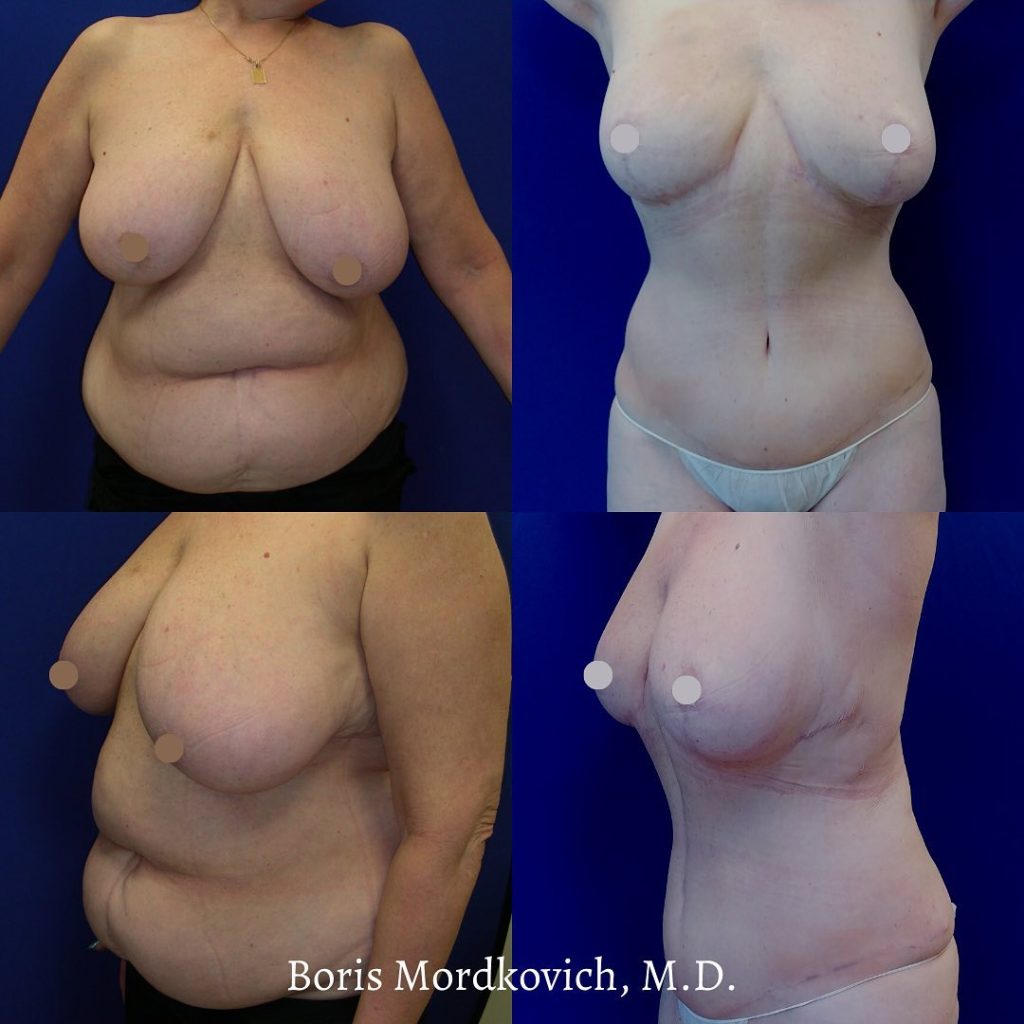
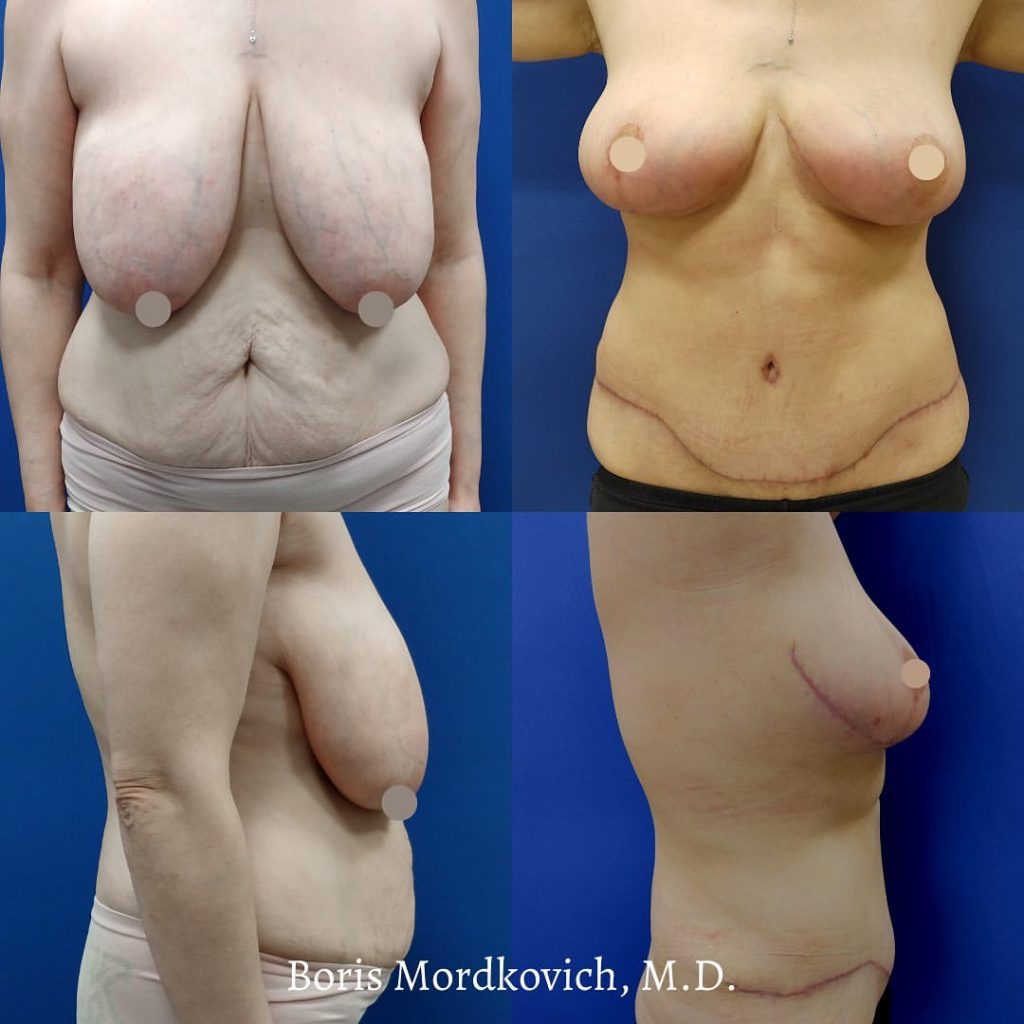
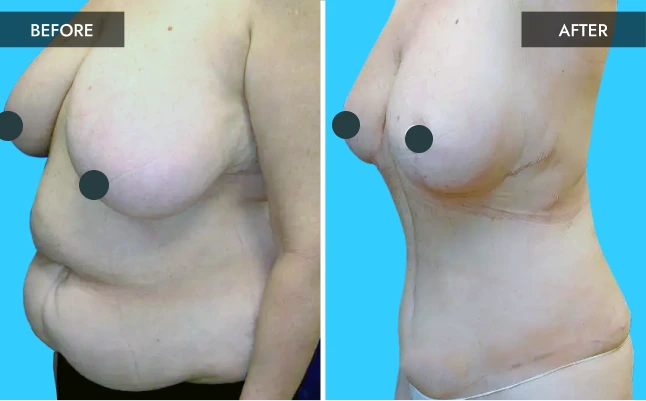
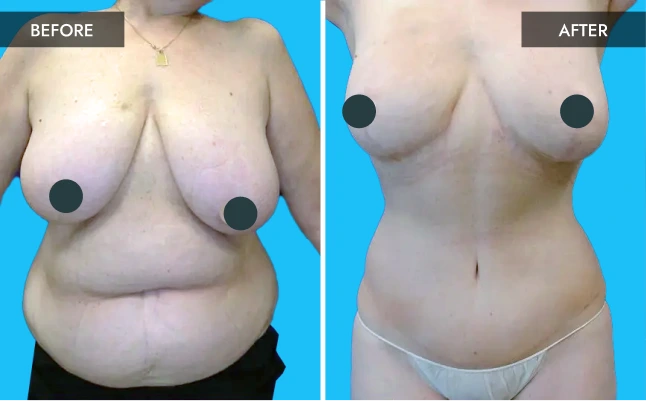
A mastopexy is a surgical treatment designed to raise and reshape sagging breasts by removing excess skin and tightening the surrounding tissue. During the breast lift procedure, your surgeon will reposition the nipple and areola to a more aesthetically pleasing height, remove redundant skin, and reshape the breast tissue to create a firmer, more lifted appearance. The specific technique used depends on the degree of sagging and your desired outcome.
Unlike augmentation, which focuses on increasing breast size, a lift primarily addresses positioning and shape. Some women choose to combine these approaches, but a lift alone can dramatically improve breast appearance without adding volume. The surgery typically takes two to three hours and is performed under general anesthesia, with most patients returning home the same day.
Several physical indicators suggest you might benefit from a mastopexy.
The pencil test is a simple at-home assessment: place a pencil in the crease under your breast. If it stays in place without support, you have significant sagging. If it falls, your breasts still have adequate support, though other factors might still make you a candidate for surgery.
Pregnancy and breastfeeding are among the most common causes of breast changes.
The optimal timing for breast lift surgery depends on several personal factors.
Selecting a qualified plastic surgeon, such as Dr. Boris Mordkovich, is perhaps the most critical decision in your breast lift journey. Look for a surgeon with specific skills in breast surgery. Board certification indicates the surgeon has completed rigorous training and maintains high ethical and professional standards.
During consultations, evaluate the surgeon’s experience with mastopexy procedures specifically. Ask to see before-and-after photos of previous patients with similar body types and concerns. The best surgeons will be transparent about potential risks, realistic about outcomes, and willing to answer all your questions thoroughly.
Consider the surgeon’s communication style and whether you feel comfortable and heard. You’ll be working closely with this person throughout your surgical journey, so trust and rapport are essential. Don’t base your decision solely on cost – choosing the least expensive option can compromise safety and results.
Immediately after surgery, your breasts will appear lifted but may be swollen and bruised. As healing progresses over several weeks, you’ll see your breasts settle into their new position. Most patients are thrilled with their breast lift results, reporting improved breast shape, better-fitting clothing, and enhanced self-confidence.
The scarring pattern depends on the technique used. Common incision patterns include around the areola, vertically down from the areola to the breast crease, and horizontally along the breast crease. While scars are permanent, they typically fade significantly over 12 to 18 months and are strategically placed to be concealed by most clothing and swimwear.
Most women can return to work within 1-2 weeks, though strenuous activities and heavy lifting should be avoided for four to six weeks. Your surgeon will provide specific guidelines for your recovery, including wearing a surgical support bra and attending follow-up appointments.
While a breast lift can turn back the clock on sagging, it cannot stop the natural aging process entirely. However, certain practices can help you maintain long-lasting results for many years.
Maintaining a stable weight through a healthy diet and regular exercise prevents the skin stretching that accompanies weight gain or the deflation that follows weight loss.
Wearing properly fitted, supportive bras – especially during exercise – helps minimize stress on breast tissue and skin. Some surgeons recommend wearing a bra even while sleeping to provide continuous support, particularly in the first year after surgery.
Protecting your skin from sun damage helps maintain elasticity. Apply sunscreen to any exposed chest area and avoid smoking, which accelerates skin aging and collagen breakdown. Staying well-hydrated and maintaining overall skin health through proper nutrition supports tissue quality.
Some women wonder whether they need breast implants in addition to a lift. This depends on your goals and current breast volume. If you’re satisfied with your breast size but simply want them lifted and reshaped, a lift alone may be sufficient. However, if you’ve lost significant volume and desire more fullness, especially in the upper breast area, combining a lift with implants might be recommended.
Your surgeon can help you evaluate whether adding implants would enhance your results. Some women choose to have a lift first and add implants later if desired, while others prefer to address everything in one surgery. There’s no universal correct answer – the choice depends on your individual anatomy, aesthetic goals, and preferences.
If you recognize multiple signs discussed in this article, scheduling a consultation with an experienced plastic surgeon is a logical next step. During this appointment, you’ll discuss your concerns, medical history, and goals. The surgeon will examine your breast tissue, measure the degree of sagging, and recommend the most appropriate technique for your situation.
Remember that choosing to have a breast lift is a personal decision that should be made thoughtfully and without pressure. The right time is when you feel physically ready, emotionally prepared, and motivated by your own desire to improve. With proper planning, a skilled surgeon, and realistic expectations, a mastopexy can be a rewarding procedure that helps you feel more comfortable and confident in your body for years to come.
A breast lift is a transformative surgical procedure that addresses sagging breasts by elevating nipple position to a higher position and creating more youthful contours. Whether you’re considering this outpatient procedure alone or combining it with breast augmentation, working with board-certified plastic surgeons ensures you receive customized procedures tailored to your unique anatomy and goals. During your initial consultation, your surgeon will assess factors like breast skin elasticity, discuss whether you plan to have children in the future, and explain how weight changes can impact surgery results. The recovery process typically requires avoiding strenuous exercise for several weeks to properly heal incisions, with most patients returning to normal activities within a few weeks and seeing final results as the healing process completes over several months.
Achieving and maintaining your desired results requires commitment to a healthy lifestyle, including maintaining a stable weight and following your surgeon’s post-operative instructions carefully. Regular check-ups allow your surgeon to monitor your progress and address any concerns during recovery. While factors like aging, gravity, and future pregnancies can eventually affect even the most professionally performed lifts, the confidence and satisfaction that come from improved breast shape make mastopexy a worthwhile investment for many women. By choosing the right timing, selecting an experienced surgeon, and maintaining realistic expectations, you can enjoy the benefits of your breast lift for many years and feel more comfortable and confident in your appearance.