Aging is inevitable, but the signs don’t have to be permanent. When it comes to turning back the clock on facial aging, several surgical techniques offer different approaches to achieving a more youthful appearance. From traditional full facelifts to minimally invasive options, each technique addresses specific concerns and works at different tissue depths, with the choice depending on your age, degree of aging, and desired outcome.
Understanding the various facelift options available can help you make an informed decision about which approach might work best for your unique needs and goals.
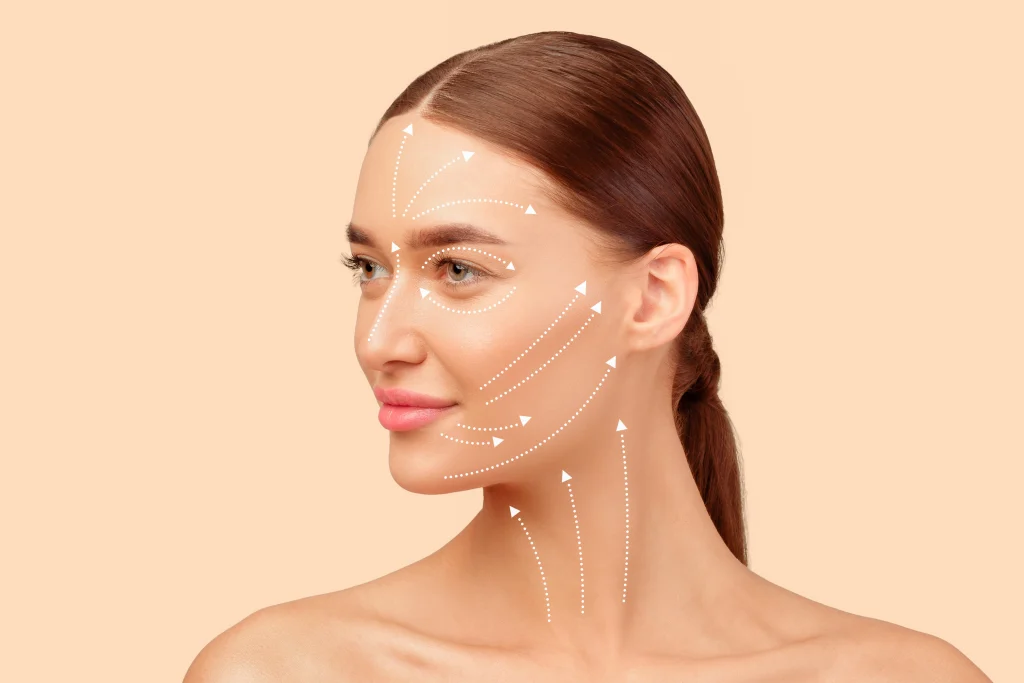
A facelift procedure is designed to address the visible signs of aging in the face and neck. As we age, our skin loses elasticity, fat deposits shift, and gravity takes its toll, leading to sagging skin, deep creases, jowls, and a less defined jawline. While the specific technique may vary, all facelifts work by repositioning underlying tissues, removing excess skin, and creating a smoother, more lifted appearance.
The ideal candidate for facelift surgery typically has moderate to significant facial sagging but still maintains some skin elasticity. Good overall health, realistic expectations, and non-smoking status are also important factors that your facial plastic surgeon will evaluate during consultation.
The traditional or “full” facelift remains the gold standard for comprehensive facial rejuvenation. This technique involves incisions that typically start in the hairline at the temples, extend down and around the ear, and end in the lower scalp. Through these incisions, the surgeon separates the skin from the underlying fat and muscle, repositions deeper tissues, removes excess skin, and re-drapes the remaining skin for a natural-looking result.
This approach addresses multiple areas simultaneously, including the lower face, jowls, and neck. It’s particularly effective for patients with significant skin laxity and deep folds. The results can be dramatic and long-lasting, often providing 10-15 years of rejuvenation.
The deep plane facelift represents a more advanced surgical technique that many surgeons consider superior for achieving natural results. Unlike traditional facelifts that primarily work at the skin level, this method releases and repositions the entire SMAS (superficial musculoaponeurotic system) layer as a unified structure.
By working beneath the SMAS layer in the deep plane, surgeons can:
Achieve more significant lifting of the midface and cheeks
Create results that look more natural and less “pulled”
Reduce tension on the skin, potentially minimizing scarring
Provide longer-lasting outcomes compared to superficial techniques
The deep plane approach is particularly effective for addressing midface aging, nasolabial folds, and marionette lines. However, it requires specialized training and expertise, so choosing an experienced facial plastic surgeon is crucial.
For patients with mild to moderate signs of aging who aren’t ready for a full facelift, the mini facelift offers a less invasive solution. This technique uses shorter incisions, typically limited to the area around the ears, and involves less extensive tissue manipulation than a traditional facelift.
The mini facelift primarily targets the lower face and jawline, making it ideal for addressing early jowling and mild sagging. The procedure involves less downtime, reduced swelling, and a quicker recovery compared to more extensive techniques. However, it’s important to understand that the results are more subtle and may not last as long as a full facelift.
Patients in their 40s and early 50s with good skin quality often make excellent candidates for this approach. It can serve as an effective intervention before more significant aging occurs, potentially delaying the need for a more extensive procedure.
The SMAS facelift focuses on tightening the superficial musculoaponeurotic system, the layer of tissue beneath the skin that supports facial structures. This technique provides more substantial and longer-lasting results than skin-only procedures while being less invasive than the deep plane approach.
This targeted procedure specifically addresses the middle portion of the face, lifting the cheeks and reducing under-eye hollows. It can be performed alone or in combination with other procedures for comprehensive facial rejuvenation.
While not a traditional surgical facelift, thread lifts use dissolvable sutures with small cones to lift and support facial tissues. This minimally invasive option offers subtle improvements with minimal downtime but provides temporary results lasting 1-2 years.
Not everyone is ready for surgery, and fortunately, several nonsurgical facelift alternatives can provide mild to moderate improvements.
Injectable treatments like dermal fillers and neuromodulators can restore volume, smooth wrinkles, and create subtle lifting effects.
Ultrasound and radiofrequency devices, such as Ultherapy, stimulate collagen production to gradually tighten skin.
While these nonsurgical options involve no incisions and minimal downtime, their results are temporary and less dramatic than surgical facelifts. They’re best suited for younger patients with mild aging or as maintenance treatments following facelift surgery. Many patients use nonsurgical treatments to delay surgery or complement their surgical results.
The outcome of your facelift depends on multiple factors, including the technique used, your surgeon’s skill, and your individual healing process. Most patients see their final facelift results emerging gradually over several months as swelling subsides and tissues settle into their new position.
Immediately after surgery, you’ll notice an improvement, though initial swelling may obscure the final outcome.
By three months post-surgery, most of the swelling has resolved
By six months to one year, the final result becomes apparent. The skin continues to soften and settle, creating an increasingly natural appearance.
A well-executed facelift should look natural, not “done.” The goal is to appear refreshed and rejuvenated, not drastically different. Your facial expressions should remain intact, and the improvements should be noticeable yet subtle enough that others may simply think you look well-rested or healthier.
Recovery timelines vary depending on the specific technique and individual healing factors. Generally, patients can expect swelling and bruising for the first two weeks, with most returning to work and social activities within 10-14 days. However, strenuous exercise and heavy lifting should be avoided for at least three to four weeks.
During the first week of facelift recovery, rest is essential. Keep your head elevated, even while sleeping, to minimize swelling. Cold compresses can help reduce bruising and discomfort. Most surgeons recommend gentle walking to promote circulation and avoiding any activities that raise blood pressure significantly.
By the second week, bruising typically fades enough to be concealed with makeup, and most patients feel comfortable appearing in public. Numbness and tightness are normal and gradually improve over several months. Following your surgeon’s post-operative instructions carefully is crucial for optimal healing and results.
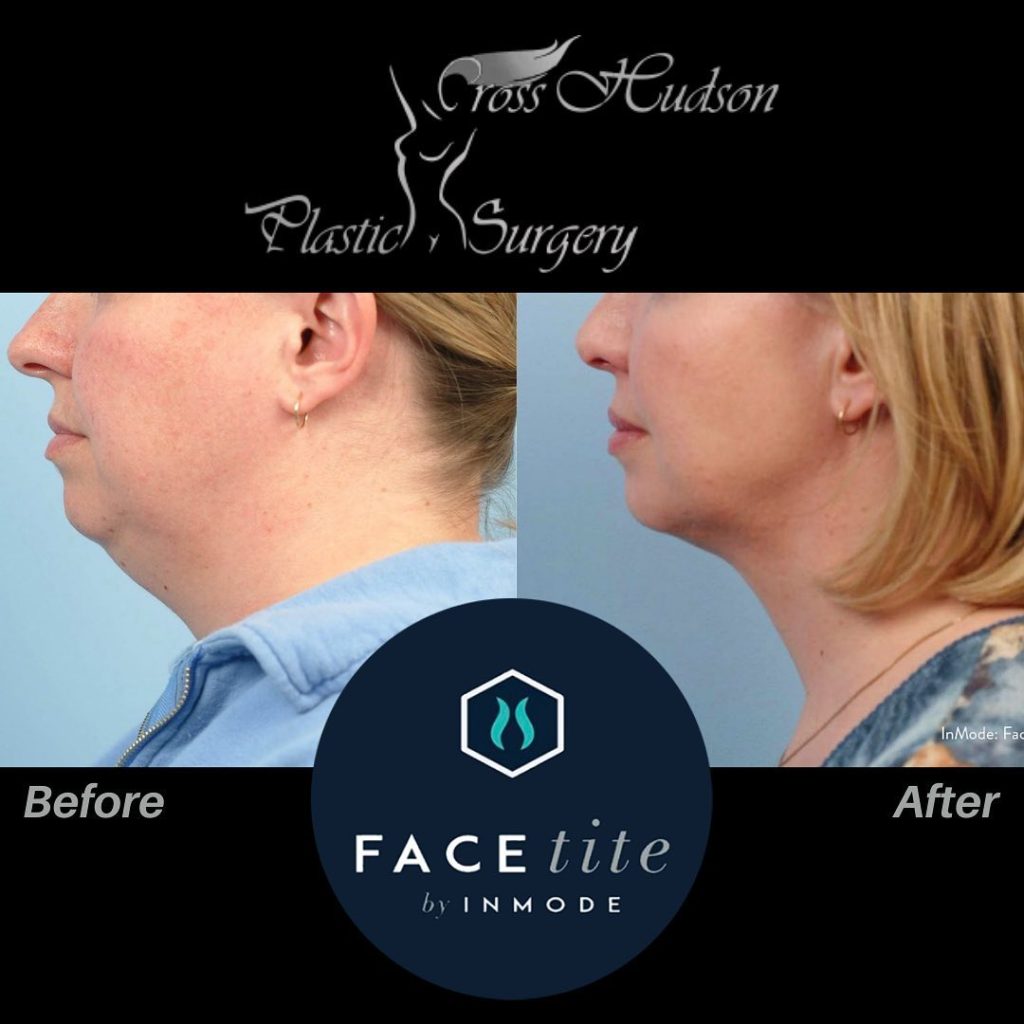
Selecting the right surgeon is perhaps the most important decision in your facelift journey. Look for a board-certified facial plastic surgeon with extensive experience in the specific technique you’re considering. Review before-and-after photos of actual patients, paying attention to results on people with similar features and aging patterns to yours.
During consultations, ask about the surgeon’s training, how many procedures they perform annually, and their complication rates. A qualified surgeon will listen to your concerns, evaluate your facial anatomy, explain which technique would work best for you, and set realistic expectations about outcomes. They should make you feel comfortable, answer all your questions thoroughly, and never pressure you into a decision.
The evolution of surgical facelift techniques has transformed facial cosmetic surgery into a sophisticated field offering solutions for every level of aging concern. Whether you’re considering the comprehensive approach of the deep plane facelift technique, which addresses the superficial musculoaponeurotic system (SMAS) for dramatic results, or a less extensive surgical procedure like a mini facelift, modern techniques can effectively address deep wrinkles, sagging skin, and other age-related changes to your facial appearance. When combined with complementary procedures like neck surgery, facial rejuvenation surgery can provide truly transformative outcomes with minimal visible scarring when performed by skilled surgeons.
The key to success lies in choosing the right approach for your individual needs and selecting a qualified surgeon who specializes in these advanced techniques. While facelift surgery differs significantly from reconstructive surgery in its goals, both require the same level of surgical precision and expertise. Take time to research facial plastic surgery clinics in your area, schedule multiple consultations, and ask detailed questions about each surgeon’s experience with specific techniques. With the right combination of surgical skills, appropriate technique selection, and realistic expectations, you can achieve natural-looking results that help you look as vibrant and youthful as you feel.