If you’re considering rhinoplasty or have recently scheduled your procedure, understanding what to expect during recovery is essential for planning and peace of mind. Most patients return to work within 1-2 weeks after surgery, though complete healing takes approximately 12 months, and most of the swelling subsides within the first six months. The rhinoplasty surgery recovery timeline varies from person to person, but following your surgeon’s post-operative instructions carefully will help ensure the smoothest possible healing journey and optimal results.
Rhinoplasty is one of the most common cosmetic procedures performed today, yet many people underestimate the time required for full recovery. While you’ll see dramatic improvements within the first few weeks, your nose continues to refine and settle into its new shape for months after surgery. Patience is crucial during this time, as rushing back to normal activities too quickly can compromise your results.
The healing timeline follows a predictable pattern, though individual factors like age, skin thickness, surgical technique, and overall health influence how quickly you recover. Younger patients with good skin elasticity typically heal faster, while those undergoing revision rhinoplasty may experience a longer recovery period due to scar tissue from previous procedures.
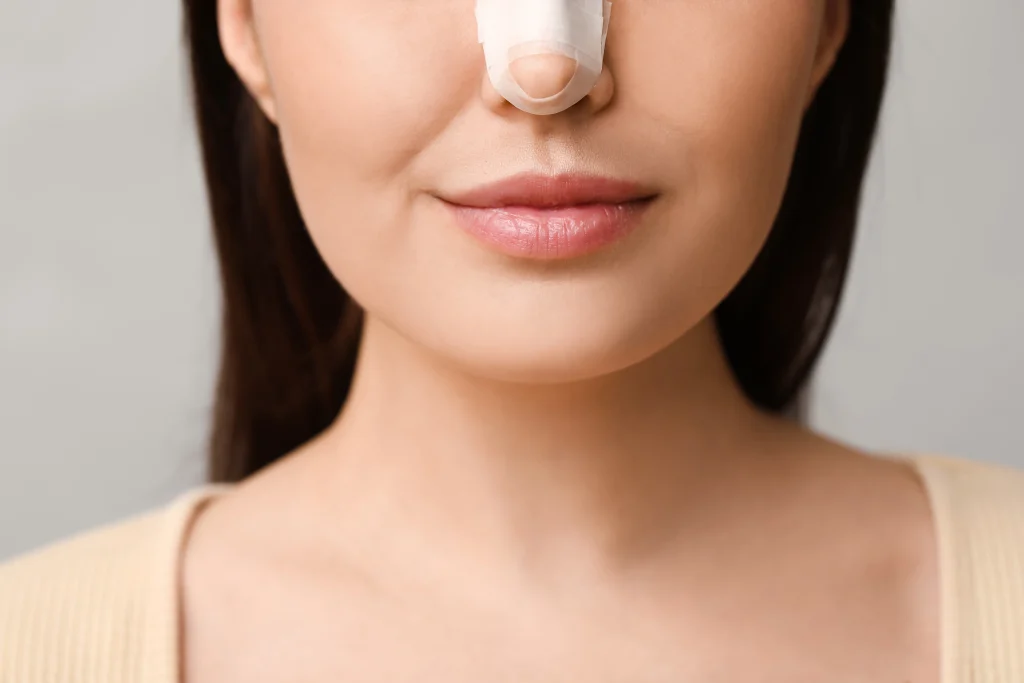
The first week after surgery is the most critical time for your recovery. You’ll likely experience swelling, bruising, congestion, and mild to moderate discomfort during these early days. Most surgeons place a splint on your nose to protect the new structure and help maintain its shape during initial healing. This splint typically stays in place for about one week.
Many patients find it challenging to sleep comfortably with their head elevated, so consider these strategies:
Use a wedge pillow or recliner for more stable positioning
Place pillows under your upper back and shoulders, not just your head
Sleep on your back exclusively – side sleeping can put pressure on your nose
Set up your sleeping area before surgery so it’s ready when you return home
Cold compresses applied to areas around your nose (never directly on it) can significantly reduce swelling and discomfort. During the first 48-72 hours after surgery, apply cold packs to your cheeks and the area under your eyes for 10-15 minutes at a time, with breaks in between. The cold temperature constricts blood vessels, minimizing inflammation and providing natural pain relief.
Be careful not to place ice directly on your nose or apply too much pressure, as this could shift the delicate structures that were just reshaped. Frozen gel packs wrapped in soft cloth work well, as do bags of frozen peas that conform to your face’s contours.
By the second week, most bruising has subsided enough that you can return to work and social situations. Swelling becomes less obvious to others, though you’ll still notice puffiness, especially in the morning. The tip of your nose may feel numb or stiff, which is completely normal and temporary.
During weeks 3-4, you can gradually resume light activities like walking, but continue avoiding:
Strenuous exercise or activities that raise your blood pressure
Contact sports or anything with a risk of facial impact
Swimming (chlorine can irritate healing tissues)
Wearing glasses that rest on your nose bridge
Blowing your nose forcefully
Proper nutrition plays a significant role in how quickly and effectively your body heals. Focus on incorporating foods rich in vitamins, minerals, and protein to support tissue repair and reduce inflammation. A healthy diet during recovery should include:
Foods to Emphasize:
Lean proteins (chicken, fish, eggs) for tissue repair
Fresh fruits and vegetables high in vitamin C (citrus, berries, leafy greens)
Foods containing vitamin K (broccoli, Brussels sprouts) to minimize bruising
Plenty of water to stay hydrated and flush toxins
Foods to Limit:
Sodium, which increases swelling and water retention
Alcohol, which thins the blood and interferes with healing
Spicy foods that may cause nasal irritation
Processed foods with minimal nutritional value
Some surgeons also recommend supplements like Arnica montana and bromelain to reduce bruising and swelling, though you should always check with your doctor before taking any supplements during recovery.
Patience is perhaps the most important virtue during rhinoplasty recovery. While the journey from surgery to your final result takes approximately one year, most patients feel confident and happy with their appearance within 2-3 months. Understanding that healing happens gradually helps manage expectations and reduces anxiety about temporary swelling or asymmetry.
Your final result represents the collaborative effort between you and your surgeon – their skill in reshaping your nose and your commitment to following post-operative instructions. Factors that influence your final outcome include your skin type, bone structure, healing capacity, and how well you adhere to recovery guidelines.
Remember that minor asymmetries during healing are normal, as different areas of your nose may heal at slightly different rates. Trust the process and maintain open communication with your surgical team throughout your journey.
The rhinoplasty recovery timeline is a marathon, not a sprint. By understanding what to expect at each stage, following your surgeon’s instructions carefully, and maintaining realistic expectations, you set yourself up for the best possible outcome. The temporary inconveniences of recovery are well worth the permanent improvement to your facial harmony and confidence.
Take time to prepare, both physically and mentally, before your surgery. Arrange for help during the first few days, stock up on supplies, and clear your schedule to allow for adequate rest. With proper planning and patience, you’ll move through each healing stage smoothly and emerge with results that make the entire journey worthwhile.
Rhinoplasty recovery is gradual and requires commitment and patience as your patient heals from this transformative nose surgery. Whether you’re undergoing primary rhinoplasty, revision rhinoplasty, or reconstructive surgery, understanding the rhinoplasty recovery time helps set realistic expectations from your consultation through your final shape. During the early recovery phase, rhinoplasty patients should focus on pain management to address any discomfort (though severe pain is rare), use a saline nasal spray to keep nasal passages clear, and protect the surgical site to ensure proper healing of the nasal bridge and nasal tip. Managing initial swelling through the techniques discussed will contribute to a smooth recovery.
As patients begin their journey after the rhinoplasty procedure, remember that both external changes and internal healing occur simultaneously, with nasal swelling gradually decreasing over months. The key to achieving your desired outcome lies in following your surgeon’s post-operative instructions, maintaining patience during this transformative period, and trusting that your body knows how to heal. With proper care, attention to detail, and realistic expectations about the timeline, you’ll navigate your rhinoplasty recovery with confidence and achieve the beautiful results you envisioned.