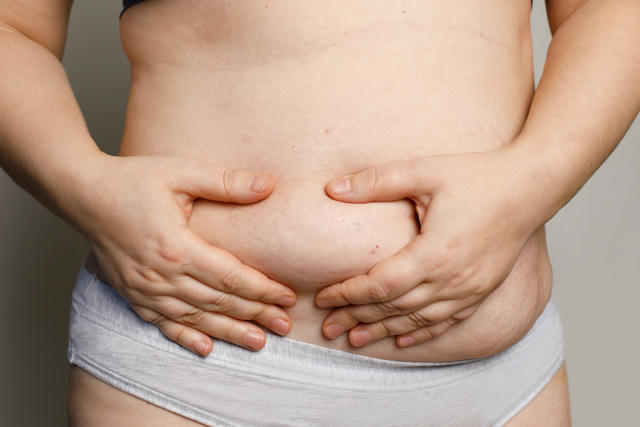
If you’re struggling with stubborn lower belly fat and loose skin below your navel that won’t respond to diet and exercise, you might be wondering whether a mini tummy tuck is right for you. The ideal mini tumÂmy tuck candidate has localized concerns in the lower abdomen, maintains a stable weight, is in good overall health, and has realistic expectations about the outcome. Unlike more extensive procedures, this targeted approach addresses specific problem areas without requiring major abdominal reconstruction, making it an attractive option for many people seeking a more toned midsection.
A mini abdominoplasty is a less invasive cosmetic procedure designed to address concerns in the lower abdominal area. This surgical technique focuses specifically on the region between your belly button and pubic area, making it ideal for patients who don’t need extensive correction across their entire abdomen.
The procedure involves a smaller incision than traditiÂonal tumÂmy tuck surgery, typically placed low on the abdomen, where it can be easily concealed by underwear or swimwear. During the operation, excess skin is removed, and the underlying muscles may be tightened to create a smoother appearance. The beauty of this approach lies in its targeted nature – it solves specific problems without unnecessary intervention in areas that don’t need correction.
Understanding the mini tummy tuck procedure can help you feel more confident about your decision. The surgery typically takes between one and two hours and is performed under general anesthesia or local anesthesia with sedation, depending on your specific case and your surgeon’s recommendation.
Your surgeon will make a horizontal incision just above the pubic area, shorter than what’s required for a full abdominoplasty. Through this incision, they’ll remove excess skin and fat from the lower abdomen. If needed, the lower abdominal muscles can be tightened to create a firmer foundation. The remaining skin is then pulled down and sutured into place, creating a smoother contour.
One significant advantage is that this procedure typically doesn’t require repositioning of the navel, which means less complexity and often faster healing. The incision is carefully closed with sutures, and you’ll be given specific aftercare instructions to ensure optimal healing.
Not everyone who wants abdominal improvement needs or qualifies for a mini tuck. The best candidates for a mini abdominoplasty share several key characteristics:
Localized lower belly concerns: Your main issue is excess skin and fat below the belly button, not throughout your entire abdomen
Good skin elasticity: Your skin still has some natural ability to contract and conform to your body’s contours
Stable weight: You’re at or near your goal weight and have maintained it for at least six months
No plans for pregnancy: Future pregnancies can reverse the results, so it’s best to wait until you’ve completed your family
Non-smoker: Smoking significantly impairs healing and increases complication risks
Realistic expectations: You understand what the procedure can and cannot achieve
You might not be a suitable candidate if you have significant concerns above the belly button, need extensive muscle repair throughout the abdomen, or have considerable amounts of excess skin. These situations typically require more comprehensive intervention.
Choosing between a mini procedure and a full tumÂmy tuck depends entirely on your specific anatomy and goals. The full tuÂmmy tuck addresses the entire abdominal area from the ribs to the pubic region, making it appropriate for people with:
The full procedure involves a longer incision, repositioning of the belly button, and more extensive muscle repair. Recovery time is typically longer, and the surgery itself takes more time to complete.
In contrast, the mini version focuses solely on the lower abdomen, involves a shorter incision, usually doesn’t require belly button repositioning, and offers a quicker recovery. Think of it as addressing a specific problem area rather than renovating the entire space.
The cost of a mini tummy tuck varies considerably based on several factors, but it’s generally less expensive than a full abdominoplasty because it involves less surgical time and complexity. On average, patients can expect to pay between $4,500 and $9,000, though this range can shift based on geographic location, surgeon expertise, and facility fees.
Cost factors include:
Surgeon’s fees (vary with experience and reputation)
Anesthesia fees
Operating facility or hospital charges
Post-surgery garments and medications
Pre-operative medical tests
Potential follow-up visits
It’s important to note that cosmetic procedures like this are typically not covered by insurance since they’re considered elective. However, many plastic surgery practices offer financing options to make the procedure more accessible. When evaluating costs, remember that the cheapest option isn’t always the best – your safety and results should be your priorities.
Mini tummy tuck recovery is generally shorter and less intense than recovery from a full abdominoplasty, but it still requires patience and careful adherence to your surgeon’s instructions.
First Week: You’ll experience swelling, bruising, and discomfort that can be managed with prescribed pain medication. Most patients can walk slowly within a day or two, though you’ll need to stay slightly bent at the waist initially to avoid tension on your incision. Expect to take at least one week off work, possibly two if your job is physically demanding.
Weeks 2-4: Swelling begins to subside, and you’ll gradually resume more normal activities. Light walking is encouraged to promote circulation, but strenuous exercise remains off-limits. You’ll likely still wear a compression garment to minimize swelling and support your healing tissues.
Months 2-3: Most patients return to full activities, including exercise, by the 6-8 week mark, though you should always follow your surgeon’s specific timeline. Swelling continues to decrease, and you’ll start seeing your final results emerge.
Long-term: While you’ll see significant improvement within a few months, final results can take up to a year as residual swelling fully resolves and incision lines mature. Following a healthy lifestyle helps maintain your results indefinitely.
One of the most common questions people ask is about their belly button. The good news is that in most mini tuck procedures, your belly button remains in its original position and doesn’t require repositioning or reconstruction. This is one of the key differences from a full abdominoplasty.
Since the mini procedure focuses on the lower abdomen, the surgical work happens below the navel. The belly button itself typically isn’t touched or altered during the operation. However, depending on how much skin is removed and tightened, you might notice subtle changes in how your belly button looks – it may appear slightly lower relative to your new abdominal contour or have a different relationship with your waistline.
If your concerns extend to the area around your belly button or you want changes to your navel itself, a full tummy tuck might be more appropriate.
Mini tummy tuck results can be truly transformative when the procedure is well-matched to your needs. Patients typically see:
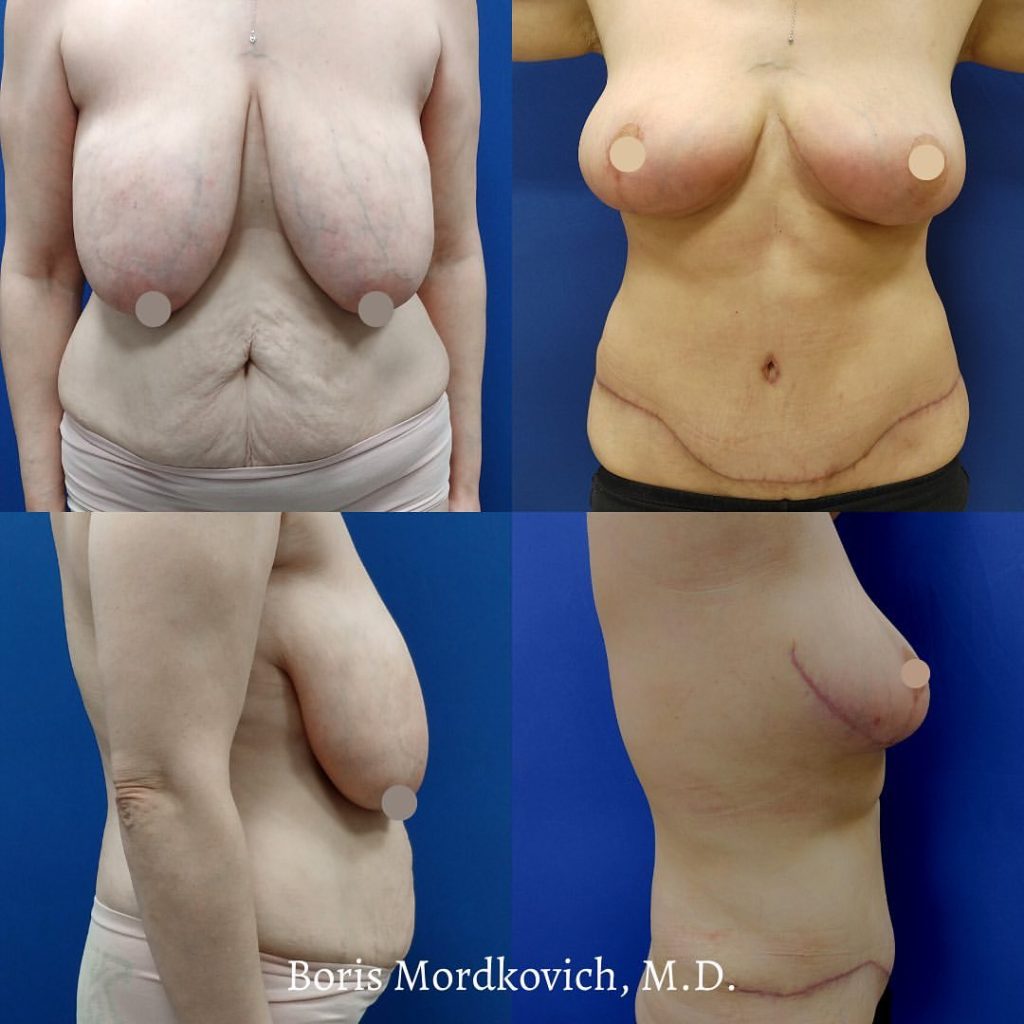
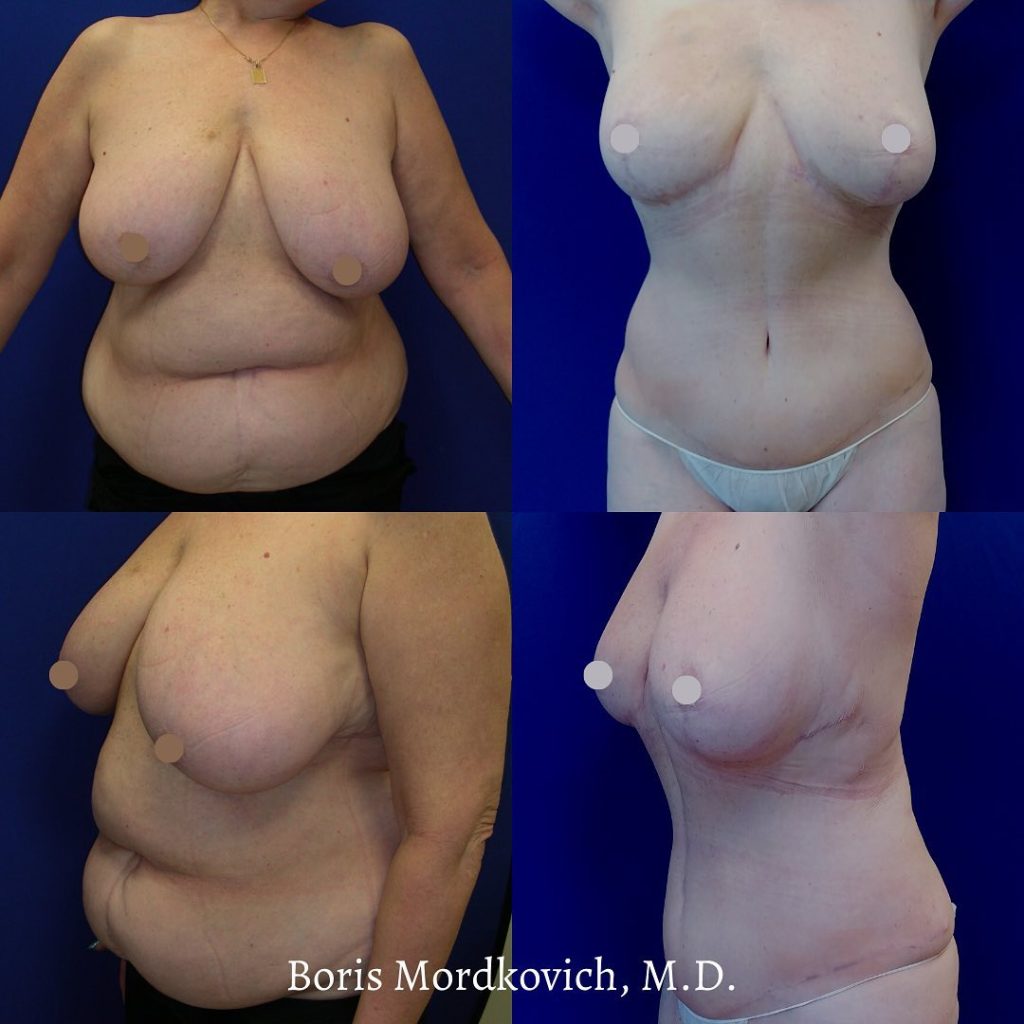
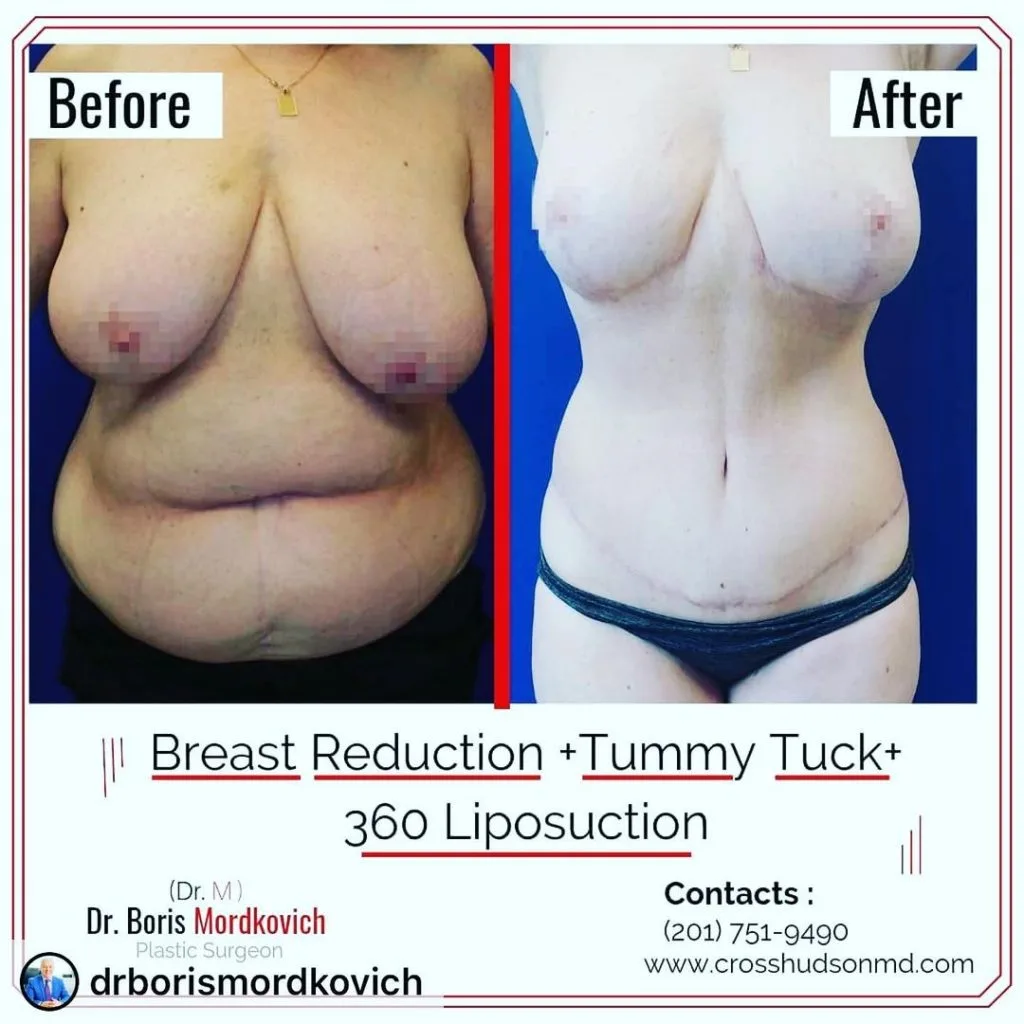
A flatter lower abdomen
Elimination of the “pooch” below the belly button
Smoother abdominal contours
Improved clothing fit
Enhanced body confidence
The results are permanent as long as you maintain a stable weight and a healthy lifestyle. The skin and fat cells removed during surgery won’t return. However, significant weight fluctuations or pregnancy can alter your results.
It’s crucial to have realistic expectations. This procedure won’t give you six-pack abs or dramatic weight loss – it’s a contouring procedure, not a weight loss solution. Patients who understand this distinction and choose the procedure for the right reasons consistently report high satisfaction rates.
Selecting the right plastic surgery provider is perhaps the most important decision you’ll make in this process. Your surgeon’s skill, experience, and approach directly impact your safety, comfort, and results.
Look for a board-certified plastic surgeon with extensive experience in mini tummy tuck procedures. During your consultation, ask about:
How many mini tummy tucks they perform annually
Their complication rates
Before and after photos of previous patients with similar body types
Their approach to safety and patient care
The surgical facility’s accreditation
You should feel completely comfortable asking questions and expressing concerns. A qualified surgeon will take time to understand your goals, examine your abdomen, and honestly assess whether you’re a good candidate. They’ll explain both what the procedure can achieve and any limitations specific to your situation.
Dr. Mordkovich and his professional team at Cross HudsÂon Plastic Surgery are ready to help you determine whether a mini tummy tuck may be the right solution for your aesthetic goals. During your personalized consultation, Dr. Mordkovich will carefully assess your abdominal concerns, including excess fat, loose skin, and separated abdominal muscles, to recommend the most appropriate approach for your unique anatomy. Whether you’re a candidate for partial abdominoplasty or require a full tummy tuck procedure, you’ll receive honest, professional guidance on which technique will deliver optimal results. Dr. Mordkovich will explain key details, including incision placement, whether a belly button incision will be necessary, and what you can realistically expect from your transformation. Take the first step toward achieving the confident, contoured midsection you’ve been dreaming of by scheduling your consultation today.
Mini tummy tuck patients often discover that this targeted cosmetic surgery approach offers the perfect balance between meaningful results and manageable recovery. If your primary concerns center on the lower stomach – stubborn fat, loose skin below the bikini line, or mild stretch marks – this procedure can deliver impressive improvements without the extended recovery time and full tummy tuck scar that comes with more extensive techniques. Women who’ve experienced multiple pregnancies frequently find that while they don’t need correction in the upper abdomen or tightening of the upper abdominal muscles, their lower midsection needs attention. Unlike an extended tummy tuck that addresses the flanks and sides, or a full abdominoplasty necessary after significant weight loss, the mini version focuses precisely where you need it most, making it an efficient solution for localized concerns.
The key to achieving lasting results lies in understanding the healing process and committing to proper healing protocols. During the first few weeks of the recovery process, following your surgeon’s instructions to reduce swelling, avoid heavy lifting, and wear compression garments will set the foundation for optimal outcomes. Remember that cosmetic surgery is a partnership between you and your surgeon – your dedication to the healing process directly impacts your final results. Whether you’re ready to finally address that persistent lower abdominal bulge or you’re still researching your options, understanding what makes you a good candidate empowers you to make an informed decision that aligns with your goals, lifestyle, and expectations for your body.