Facial procedures vary significantly in scope and recovery time. A traditional facelift addresses sagging skin and deep wrinkles across the lower face and jawline, while a mini facelift targets more subtle signs of aging with less extensive incisions. A brow lift elevates drooping eyebrows and smooths forehead wrinkles, and a neck lift specifically addresses loose skin and muscle banding in the neck area.
Recovery timelines for these procedures differ:
Breast procedures – including augmentation, reduction, and lifts – require different recovery approaches. Breast augmentation typically involves 1-2 weeks of restricted arm movement, while breast reduction may require 2-3 weeks due to the more extensive nature of the surgery. Most patients can return to desk work within 1-2 weeks but must avoid strenuous exercise and heavy lifting for 4-6 weeks.
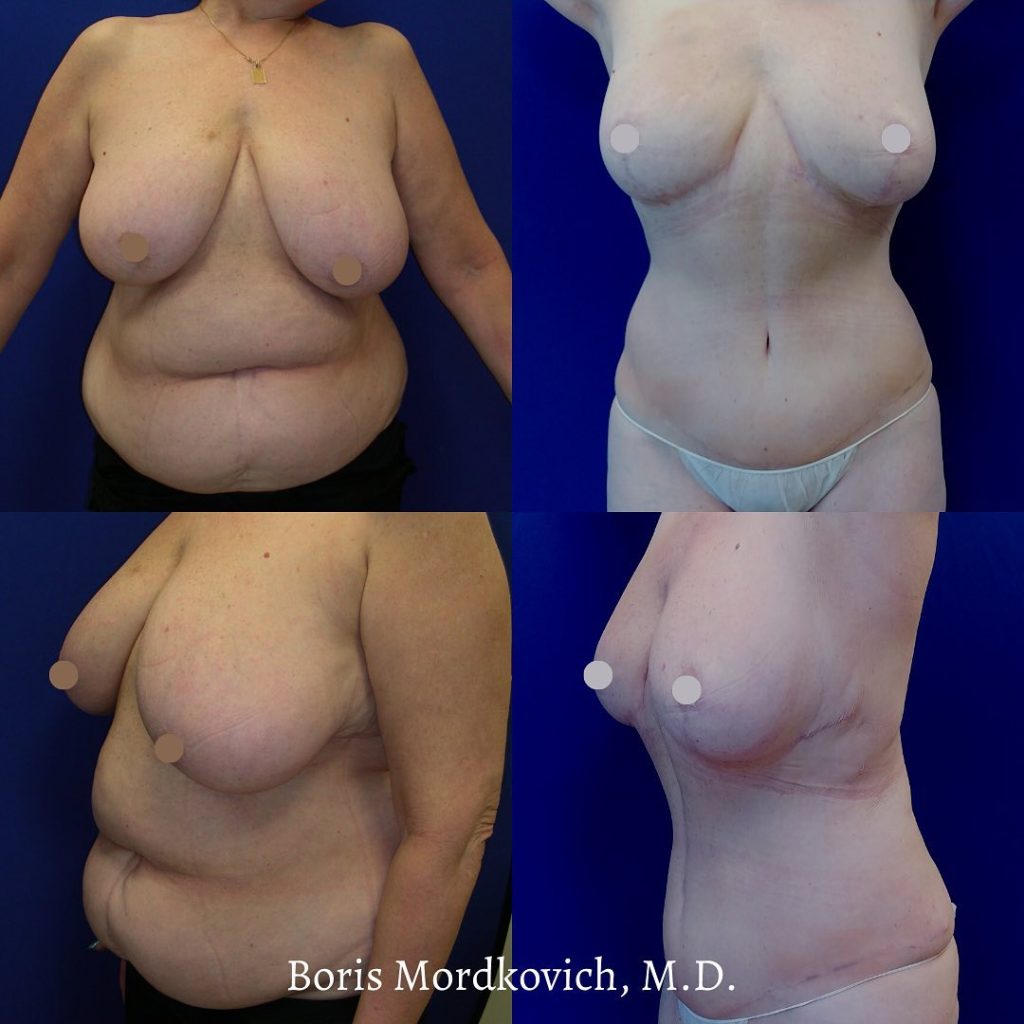
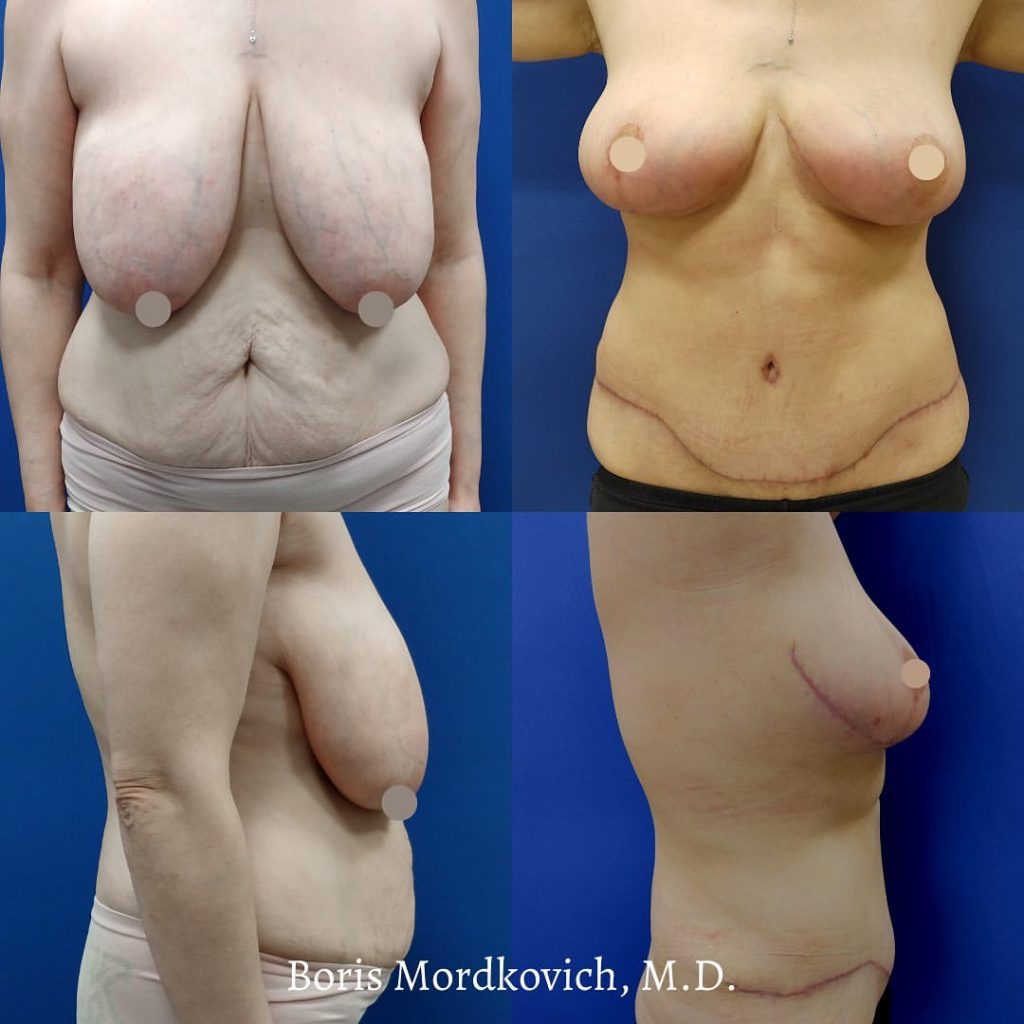
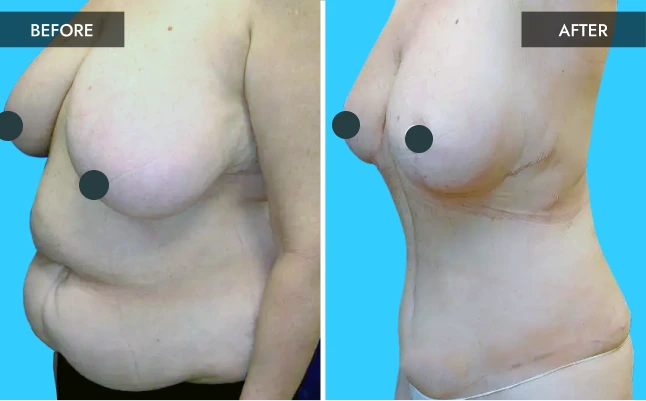
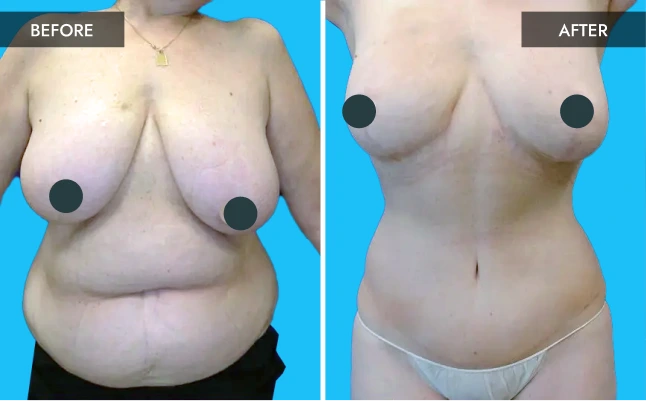
A mommy makeover combines multiple procedures – typically breast surgery and tummy tuck – to address post-pregnancy body changes. Because it involves multiple areas, recovery is more extensive, usually requiring 2-3 weeks of significant rest and 6-8 weeks before resuming full activity. This combination approach means patients undergo one recovery period rather than multiple separate recoveries, but it demands greater initial commitment.
Your surgeon will provide detailed pre-operative instructions, which typically include stopping certain medications (especially blood thinners like aspirin), arranging for someone to drive you home and stay with you for at least 24 hours, and preparing your recovery space. You may need to:
Most cosmetic procedures occur in accredited surgical facilities or hospitals. You’ll arrive several hours before your scheduled surgery time for preparation, which includes changing into a surgical gown, meeting with the anesthesiologist, and having the surgical sites marked. The surgeon will review the procedure one final time and answer any last-minute questions.
Surgery duration varies – a mini facelift might take 2-3 hours, while a comprehensive mommy makeover could take 4-6 hours. You’ll wake up in a recovery room where medical staff will monitor you for several hours before discharge.The initial days after surgery are the most challenging. You’ll experience swelling, bruising, discomfort, and limited mobility depending on your procedure. Pain is typically manageable with prescribed medications, and most patients describe it as discomfort rather than severe pain.
Key first-week priorities include:As you move into the second week, energy levels typically improve, and you may feel restless or eager to resume activities. However, patience is crucial. While you might feel capable of more, your body is still healing internally.
During this phase, most patients can return to work (depending on the procedure and job requirements) and resume light activities. However, exercise, heavy lifting, and strenuous activity remain off-limits. Your surgeon will provide specific guidance, but general timelines include:The complete healing process extends far beyond the initial recovery period. While you’ll look dramatically better within weeks, achieving your true final results takes patience. Incision lines continue maturing for 12-18 months, gradually fading from pink to thin white lines. Internal tissues settle completely over 6-12 months.
For facial procedures, final results are typically apparent by 6-12 months. For body contouring procedures like mommy makeovers, it may take up to a year to see the complete transformation. Maintaining results requires commitment to a healthy lifestyle, sun protection, and good skincare habits.The foundation of a successful cosmetic surgery experience begins with selecting the right medical professional. A board-certified plastic surgeon has completed extensive training, passed rigorous examinations, and demonstrated expertise in their field. During your initial consultation, which typically occurs 4-8 weeks before surgery, you’ll discuss your goals, medical history, and expectations.
This is the time to ask important questions: How many times has the surgeon performed your specific procedure? What are the potential risks and complications? Can you see before-and-after photos of previous patients? A qualified surgeon will provide honest assessments about what can realistically be achieved and may even recommend against surgery if it’s not in your best interest.Understanding the complete timeline for cosmetic surgery – from consultation through final results – empowers you to make informed decisions and set realistic expectations. The journey requires commitment, patience, and trust in the process. By choosing a qualified plastic surgeon, following post-operative instructions carefully, and giving your body adequate time to heal, you’ll maximize your chances of achieving beautiful, natural-looking results that enhance your confidence for years to come.
Remember that every patient heals differently, and your individual timeline may vary based on factors like age, overall health, the specific procedures performed, and how well you follow recovery protocols. Stay in close communication with your surgical team throughout the process, and don’t hesitate to reach out with questions or concerns as they arise.Understanding plastic surgery recovery times is essential for setting realistic expectations about your transformation journey. Whether you’re pursuing facial rejuvenation procedures like eyelid surgery or other procedures, such as body contouring, the body’s healing process follows its own timeline that cannot be rushed. Most patients need at least 2 weeks to return to regular activities, though gentle movement is encouraged early on to promote circulation. While compression garments, swelling, and healing incision sites are completely normal parts of recovery, these outward signs can feel discouraging when you’re eager to see results. Remember that cosmetic surgery is not about instant gratification – your appearance will improve gradually over months as tissues settle and scars mature.
Many patients find it helpful to have a trusted family member or friend for support during the initial recovery phase, both for practical assistance and emotional encouragement. As you progress toward full recovery, you’ll notice subtle changes week by week that collectively create the dramatic transformation you envisioned. The investment of time, patience, and proper post-operative care ultimately determines the quality and longevity of your results. By respecting your body’s natural healing timeline and following your surgeon’s guidance, you’ll position yourself for the best possible outcome and enjoy the confidence that comes with your enhanced appearance for years to come.