
Facelift
in Fort Lee, NJ
Table of Contents

What Is a Facelift?
Facelift Types
Traditional Facelift
Dr. Boris Mordkovich performs this extensive surgical procedure by making incisions that begin at the hairline, continue around the front of the ear, and end in the lower scalp. First, he repositions deeper tissues under the skin. Then, our expert removes excess skin. Finally, he re-drapes the skin over the newly contoured surface. This method tackles moderate to extreme signs of aging. These may include deeply etched wrinkles and significant sagging.
Mini Facelift
If a patient has only mild or moderate aging symptoms, they might be interested in a mini facelift. This procedure uses small incisions near the ears. This way, our surgeon can tighten layers of facial tissue beneath the skin and get rid of any extra skin. A mini facelift gives patient’s faces a younger look than before cosmetic surgery. But it doesn’t change how they look as much overall. So, it is an option for younger individuals or those who want only minor enhancements.
Mid-Facelift
This technique aims to rejuvenate the middle section of the face, specifically the area beneath the eyes and the cheeks. Dr. Mordkovich performs a mid-facelift procedure by making minor cuts either below the lower eyelid or inside the mouth. This allows him to lift and tighten the tissues in the cheek area. So, he can help reduce drooping cheeks and pronounced lines that run from the sides of the nose to the corners of the mouth (nasolabial folds).
Deep Plane Facelift
The deep plane facelift is a type of facelift surgery that goes beneath the skin’s surface to address the facial muscles and tissues below. Rather than simply tightening these structures, Dr. Mordkovich lifts and repositions them. This way, he is providing both a greater degree of improvement and results that last longer. This method is especially beneficial for patients whose skin has become highly loose or creased with age.
SMAS Facelift
In a SMAS facelift, Dr. Mordkovich lifts and tightens the Superficial Musculo-Aponeurotic System. It is a layer of tissue beneath the skin that gives the face its shape. Then, he removes any excess skin. By using this method, our surgeon can provide patients with more defined features in a way that looks natural. Besides, it helps with concerns such as drooping jowls both in the middle and lower part of the face.
Facelift Procedure Explained
During the initial consultation, Dr. Boris Mordkovich conducts a thorough evaluation of the patient to assess their suitability for a facelift. Apart from analyzing their medical history and visual concerns, he also takes into account patient’s aesthetic goals and concerns. Based on this, he recommends the most appropriate technique to employ, along with anesthetic requirements. Besides, patients receive a comprehensive quote covering the entire procedure cost.
Then, the patient has to undergo a comprehensive pre-op evaluation. Dr. Mordkovich requests tests as needed, such as blood work or an EKG. Their findings are checked out to make sure it’s safe for the patient to move forward with surgery.There are certain medical conditions that would make someone a poor candidate for a facelift, including:
- Bleeding disorders
- Diabetes
- Chronic and infectious diseases
- Cardiovascular conditions The Surgery
Add-On Procedure:
Eyelid Surgery
Recovery After a Facelift


Immediate Recovery

Initial Weeks

Long Term-Results
Candidates for a Facelift
- Visible Signs of Aging: Addressing significant signs of aging is a primary reason for a facelift. It can help deal with deep wrinkles, sagging skin, and loss of facial volume.
- Skin Elasticity: Having elastic skin means that it is flexible enough to settle nicely into its new shape after surgery.
- Overall Health: Different medical conditions and diseases can impair healing or even cause some side effects of a facelift. So, having a good health is a must.
- Stable Weight: If a patient's weight fluctuates significantly, it can affect the surgery's outcome. Before having a facelift, they should make sure they are close to their perfect weight.
- Non-Smokers: Nicotine can slow down the recovery process and even cause some surgery complications. Patients must be non-smokers or prepared to quit smoking for at least four weeks prior to the surgery in order to facilitate the best possible recovery.
Benefits of a Facelift

Reduces Visible Signs of Aging

Tightens Loose Skin

Enhances Facial Contours

Provides Long-Lasting Results

Boosts Self-Confidence

Cost of a Facelift
in Fort Lee, NJ
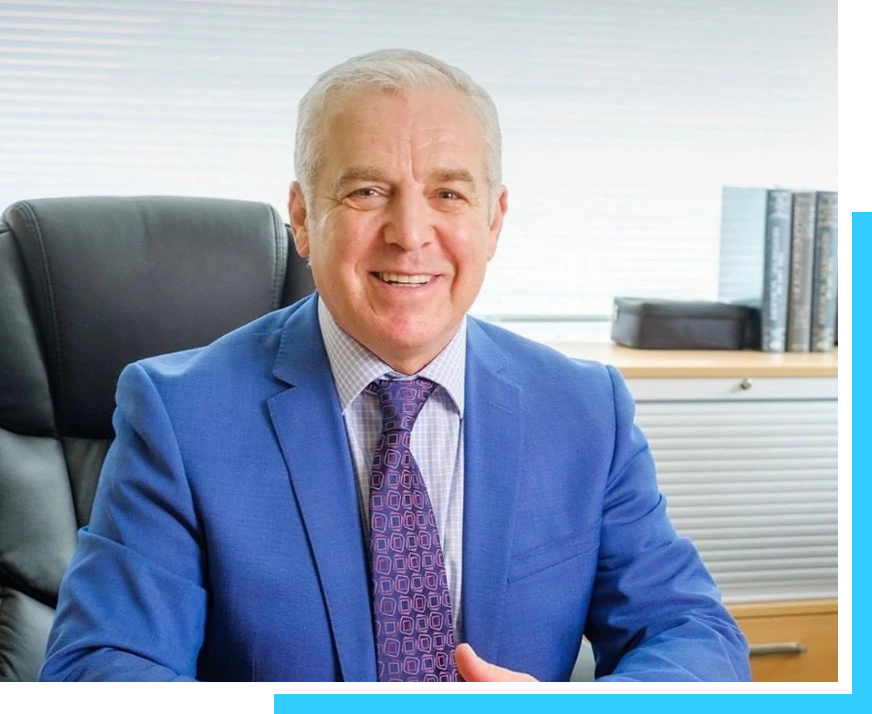
Cross Hudson Plastic Surgery Is the Best Destination for a Facelift in Fort Lee
Read our Testimonials


