How Long Do Breast Implants Last?
If you’re thinking about breast augmentation or you already have implants, one of the most common questions you’ll have is how long they’re supposed to last. Here’s what you need to know: most modern breast implants are built to last a long time, but they are not considered lifetime devices. Most patients can expect their implants to remain in great shape for 10 to 20 years, and many go even longer without any issues. That said, understanding what affects longevity will help you plan ahead, stay informed, and feel confident every step of the way.
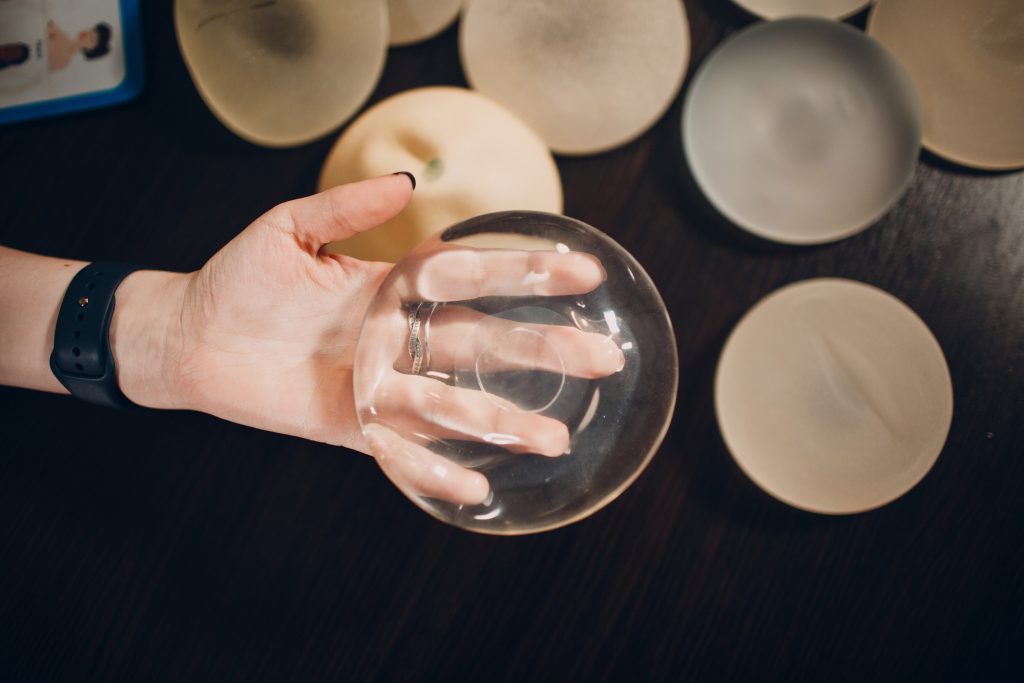
How Long Breast Implants Last: The Real Answer
When people ask how long breast implants last, they’re usually hoping for a simple number. The honest answer is a range, and that range is wider than most people expect.
Some implants are removed or replaced within 10 years due to changes in the body or personal preference. Others stay in place for 20, even 25 years, with no complications at all. The quality of modern implants has improved significantly over the decades, and today’s silicone and saline options are more durable, more natural-feeling, and more reliable than earlier generations.
What matters most is a combination of the implant type, your body, your surgeon’s skill, and how well you follow up with routine care. The good news? With the right information and regular check-ins, most people have a smooth experience.
Understanding the Average Lifespan of Modern Implants
The average lifespan of breast implants is typically cited as 10 to 20 years. That doesn’t mean they automatically fail or need to come out at the 10-year mark. It means that’s the window during which most patients may begin to notice changes or consider revision.
Here’s a helpful way to think about it:
Years 1-5: This is usually the most stable period. Your body has settled, and implants are unlikely to cause any concerns.
Years 5-10: Routine monitoring becomes more important. Most patients do well, but this is a good time to schedule check-ins with your surgeon.
Years 10+: You may notice subtle changes in feel or appearance. Some patients elect revision at this stage; others are perfectly happy and do nothing.
Years 15–20+: A smaller percentage of patients still have their original implants with no issues, but most surgeons recommend an evaluation if you haven’t had one recently.
The FDA recommends that people with silicone implants get an MRI or ultrasound 5 to 6 years after surgery and then every 2 to 3 years after that. This is specifically to check for silent rupture – a leak that doesn’t always cause obvious symptoms.
Capsular Contracture: One Reason Implants May Need Attention
One of the most common reasons patients seek early revision is a condition called capsular contracture. To understand it, it helps to know that whenever a foreign object is placed in the body, the immune system responds by forming a thin layer of scar tissue around it. That’s completely normal and actually helpful – it keeps the implant in place.
The problem comes when that scar tissue tightens and hardens. Capsular contracture can range from mild firmness to significant discomfort and visible distortion. It’s graded on a scale from I (no symptoms) to IV (hard, painful, and visibly misshapen).
Risk factors include bacterial contamination during surgery, implant position, implant texture, and individual healing patterns. The good news is that it’s treatable. Depending on the severity, your surgeon may recommend monitoring, medication, or a revision procedure to remove or release the scar tissue and replace the implant if needed.
Breast Implant Replacement: What You Need to Know
Breast implant replacement isn’t always about something going wrong. Sometimes patients choose to replace implants simply because their preferences have changed – they want a different size, a different look, or an updated implant model.
Common reasons for replacement include:
Implant rupture (more common with older saline implants, which deflate visibly)
Silent silicone rupture detected on imaging
Capsular contracture that hasn’t responded to other treatment
Implant displacement or rippling
Changes in personal aesthetic goals
Replacement surgery is generally very similar to the original procedure. Your surgeon will remove the existing implant, address any scar tissue if necessary, and place a new implant. Recovery is typically comparable to the initial surgery, depending on what’s involved.
Breast Implant Removal vs. Breast Implant Revision
These two procedures are often confused, but they’re quite different.
Breast implant revision means modifying what’s already in place. This could mean changing the size or type of implant, correcting asymmetry, addressing capsular contracture, or improving the position of the implant pocket.
When Getting Your Breast Implants Removed Makes Sense
Getting your breast implants removed means taking them out entirely. Some patients choose removal because their lifestyle has changed, their priorities have shifted, or they simply feel ready to go back to their natural silhouette.
Explant surgery (the technical term for removal) can be done in different ways. A standard removal takes out the implant and loosens the surrounding scar tissue. A full capsulectomy removes both the implant and the entire scar tissue capsule. This option is sometimes preferred when the capsule is thickened or hardened.
There’s no right or wrong choice here. What matters is that you’re making a decision that feels right for your body and your life.
How Breast Tissue, Breast Size, and Breast Shape Change Over Time
One thing that surprises many patients is that even if their implants are perfectly intact, their appearance may still evolve. That’s because the implants themselves aren’t changing, but your body is.
Breast tissue naturally changes with age, weight fluctuation, pregnancy, breastfeeding, and hormonal shifts. Over time, this can affect how implants sit and how the overall breast looks.
Breast size may appear to change if surrounding tissue increases or decreases due to weight changes or hormonal reasons – not because the implant itself has grown or shrunk.
Breast shape can shift as skin loses elasticity over the years. This is a natural part of aging and isn’t specific to people who have implants. However, it can sometimes lead patients to consider a revision to lift or reposition the implant.
These changes are gradual and often very minor. But they’re worth knowing about, so you’re not caught off guard years down the road.
What You Can Do Right Now
Longevity starts with a few simple habits:
Choose a skilled surgeon with specific experience in breast augmentation
Follow all post-surgical care instructions closely
Attend your recommended follow-up appointments
Get your MRI or ultrasound screenings on schedule if you have silicone implants
Report any new firmness, pain, or changes in shape to your surgeon promptly
Breast implants are not something you get and then forget about. They’re an ongoing part of your health history, and with a little attention, most people navigate that beautifully.
Schedule Your Consultation Today!
At Cross Hudson Plastic Surgery, we understand that questions about your implants don’t always come with easy answers, and that’s exactly why we’re here. Whether you’ve noticed changes after significant weight fluctuations, have concerns about saline rupture, or simply want peace of mind about the condition of your outer shell, our experienced surgeon, Dr. Boris Mordkovich, is ready to help.
From the first visit, Dr. Mordkovich will assess implant integrity with a thorough, personalized evaluation, taking into account the latest advances in implant technology and the full range of modern surgical techniques available to address everything from implant malposition to capsular contracture. If you have silicone breast implants and haven’t had a recent imaging screening, or if something just doesn’t feel quite right, don’t wait.