What to Expect from Breast Lift After Pregnancy & Breastfeeding?
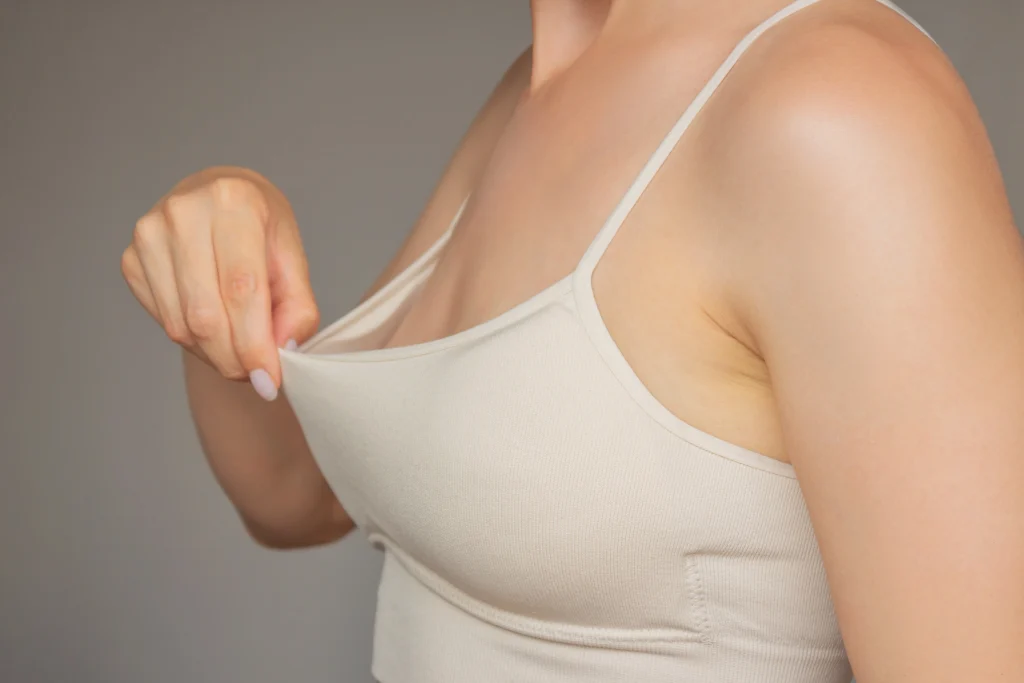
Understanding Breast Changes After Pregnancy and Nursing
The journey of motherhood brings profound transformations to breast tissue. During pregnancy, hormonal fluctuations cause breasts to enlarge as milk-producing glands develop and fat deposits increase. This expansion stretches the skin and supporting ligaments, often dramatically. When breastfeeding ends and milk production ceases, the glandular tissue shrinks, but the stretched skin doesn’t always retract to its original state.
The result? Many women experience what’s commonly called “deflated” breasts – tissue that has lost fullness while the skin envelope remains stretched. The degree of sagging, or ptosis, varies depending on factors like genetics, the amount of weight gained during pregnancy, breast size before pregnancy, and how long you breastfed. Some women notice only mild drooping, while others experience significant changes that affect both appearance and self-esteem.
Age and skin elasticity also play crucial roles. Younger skin with better elasticity may bounce back more effectively, while mature skin might struggle to tighten after such dramatic changes. Multiple pregnancies compound these effects, as each cycle of expansion and contraction further compromises the skin’s natural support structure.
How Is the Breast Lift Procedure Performed?
When you decide that breast lift surgery is right for you, understanding the process helps ease anxiety and set realistic expectations. During your consultation, a plastic surgeon will evaluate your anatomy, discuss your goals, and explain which technique best suits your needs. Several incision patterns exist, ranging from minimal (around the areola only) to more extensive (anchor-shaped), depending on the amount of lifting and reshaping required.
The breast lift procedure typically takes two to three hours under general anesthesia. However, some surgeons offer awake procedures under local anesthesia and sedation, reducing overall surgical risks. Your surgeon removes excess skin, reshapes the remaining breast tissue, and repositions the nipple-areola complex to a more youthful height. The goal is to create a firmer, more elevated breast contour with improved projection. If your nipples point downward or your areolas have stretched significantly, these concerns are addressed simultaneously.
Understanding Breast Lift Scars
One of the most common concerns women express about mastopexy involves scarring. It’s important to understand that the breast lift procedure does leave permanent scars, though their visibility and extent depend on the technique used and your body’s healing characteristics. The trade-off between scarring and improved breast shape is something you’ll discuss thoroughly with your surgeon.
For mild sagging, a periareolar incision around the areola may suffice, leaving a circular scar that often blends with the natural color transition of the areola. Moderate sagging typically requires a vertical incision that extends from the areola down to the breast crease, creating a “lollipop” pattern. More significant lifting needs an anchor-shaped incision that includes a horizontal line along the breast fold.
Initially, scars appear pink or red and may seem prominent. However, breast lift scars fade considerably over 12 to 18 months, becoming much less noticeable. Proper scar care – including sun protection, silicone sheets, and following your surgeon’s post-operative instructions – significantly improves outcomes. Most women find that the improved breast contour far outweighs concerns about scarring, especially since scars are hidden beneath clothing and swimwear.
Navigating Breast Lift Recovery
The weeks following your breast lift recovery require patience and adherence to your surgeon’s guidelines. Immediately after surgery, you’ll experience swelling, bruising, and discomfort, which are normal parts of the healing process. Pain medication helps manage discomfort during the first few days, and most women describe the sensation as tightness rather than severe pain.
You’ll wear a surgical bra or compression garment continuously for several weeks to support your healing breasts and minimize swelling. Sleeping on your back with your upper body elevated helps reduce inflammation and promotes better healing. Most patients return to desk work within one to two weeks, though you’ll need to avoid heavy lifting, strenuous exercise, and raising your arms above your head for at least four to six weeks.
Swelling gradually subsides over several months, and your breasts will settle into their final position. You’ll notice improvements immediately, but the complete breast lift results take 3-6 months to emerge as tissues heal and swelling completely resolves. Attending all follow-up appointments ensures your surgeon can monitor your progress and address any concerns promptly.
Achieving Optimal Breast Lift Results
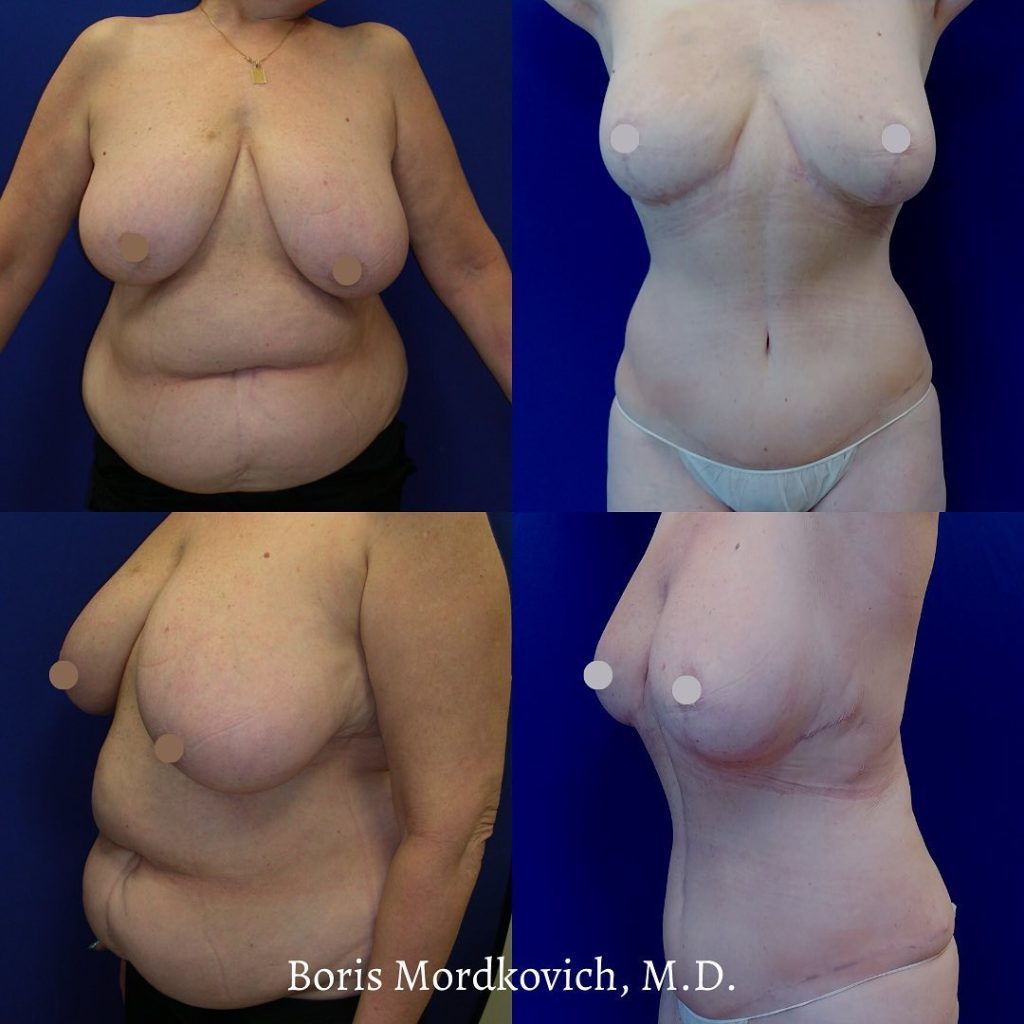
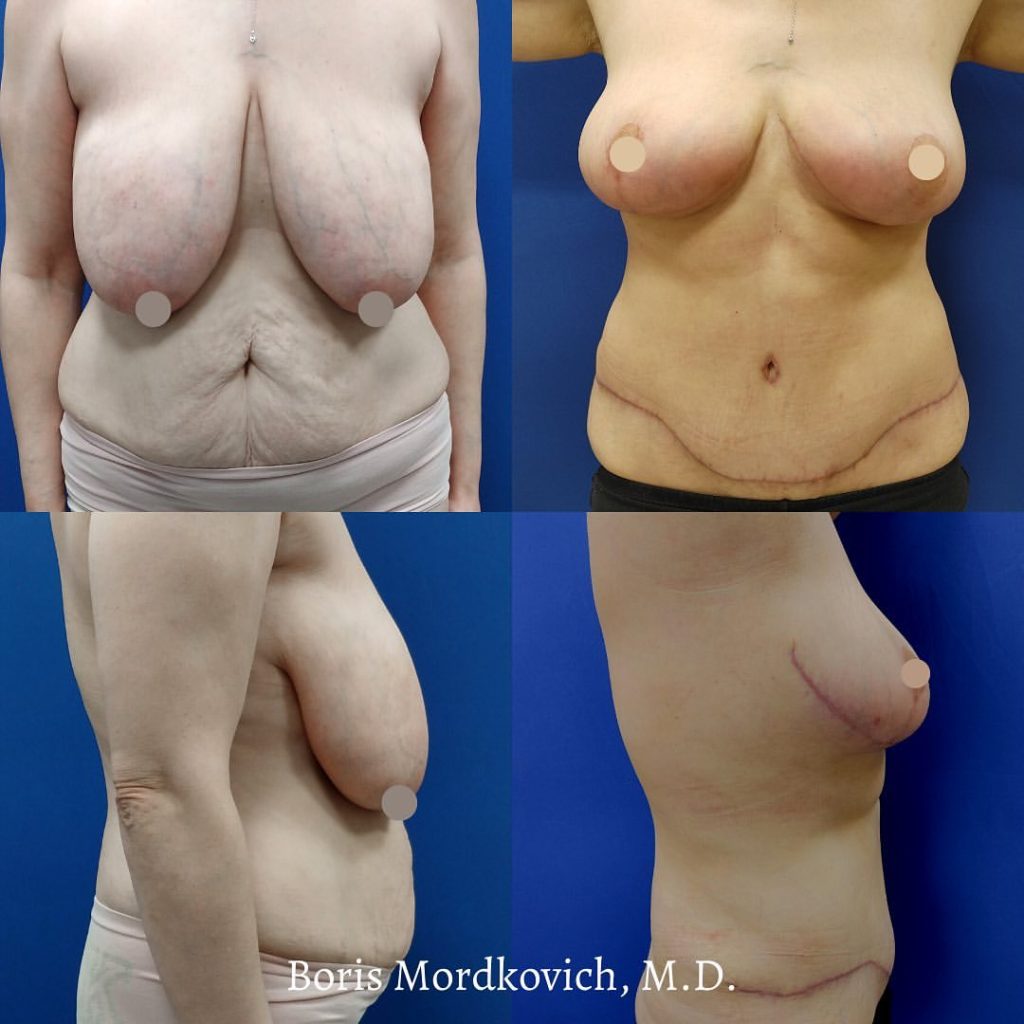
When performed by a qualified plastic surgeon, a breast lift procedure delivers transformative outcomes that restore a youthful breast contour. Your breasts will appear firmer, higher on the chest wall, and more proportionate to your body. Nipples will be repositioned to point forward rather than downward, and the overall shape will be more rounded and perky.
The longevity of your breast lift results depends on several factors:
- Maintaining a stable weight is crucial, as significant fluctuations can compromise outcomes.
- Gravity, aging, and skin elasticity continue to affect your breasts over time, but most women enjoy their results for 10 to 15 years or longer.
- Wearing supportive bras and protecting your skin from sun damage helps preserve your investment.
It’s worth noting that while a mastopexy dramatically improves breast shape and position, it doesn’t add significant volume. If you desire fuller breasts in addition to lifting, combining the procedure with breast augmentation using implants or fat transfer may be ideal. Conversely, if your breasts are both saggy and overly large, combining mastopexy with breast reduction provides comprehensive improvement.
Timing Your Breast Lift Procedure: When Is the Right Moment?
Deciding when to pursue a mastopexy after having children is deeply personal. Most surgeons recommend waiting until you’re finished breastfeeding and your breasts have stabilized, typically at least 6 months after weaning. This waiting period allows hormones to normalize and breast tissue to settle into its new baseline state.
If you plan to have more children, you might consider postponing breast lift surgery, as future pregnancies will likely alter your results. However, some women choose to proceed anyway, understanding they may want a touch-up procedure later. There’s no medical reason you can’t undergo the surgery between pregnancies, though it may mean additional procedures down the road.
Your overall health matters significantly. Being at a stable weight, not smoking, and maintaining realistic expectations all contribute to successful outcomes. If you’re considering combining your lift with breast augmentation or breast reduction, discuss these options thoroughly during your consultation to ensure all your concerns are addressed in a single surgical session.
Your Next Step with Breast Surgery
A breast lift offers mothers a path to reclaiming their bodies after the profound changes of pregnancy and breastfeeding. While the procedure requires recovery time and leaves scars, the emotional and aesthetic benefits often prove life-changing. Feeling confident in your appearance impacts every aspect of your life, from intimate relationships to how you present yourself professionally and socially.
Choosing the right surgeon makes all the difference. Seek an experienced plastic surgeon with extensive skills in post-pregnancy breast procedures. Review before-and-after photos of their work, read patient testimonials, and ensure you feel comfortable and heard during your consultation. A skilled surgeon will create a customized surgical plan that honors your anatomy and achieves your aesthetic goals while prioritizing your safety.
Remember that this decision is entirely yours. Whether you choose to embrace your post-pregnancy body as it is or pursue surgical enhancement, both choices are valid. For those who do opt for a breast lift, the combination of skilled surgical technique, dedicated recovery, and realistic expectations typically yields beautiful, natural-looking results that help you feel like yourself again.
Combining a Breast Lift with Breast Augmentation
Some women combine their mastopexy with breast augmentation to restore lost volume with implants, or with breast reduction if their breasts are also uncomfortably large. Your surgeon will help determine whether additional procedures would benefit your specific situation. Breast surgery is tailored to your body’s unique characteristics and aesthetic preferences, ensuring results that look natural and proportionate to your frame.
When Should I Choose Breast Reduction?
You might consider a breast reduction instead of a breast lift when the main issue is the size and weight of your breasts rather than just their position. A reduction removes breast tissue to make the breasts smaller and lighter, which can help with problems like back, neck, or shoulder discomfort, difficulty finding comfortable clothing, or feeling limited during physical activities.
A breast lift, on the other hand, mainly reshapes and raises the breasts without significantly changing their size. If your breasts feel too heavy or large for your body, a reduction is usually the more appropriate option, while a lift is better when size is fine but sagging is the concern. If someone is thinking about either procedure, it’s essential to talk with a qualified healthcare professional who can explain the safest and most age-appropriate options.
Final Thoughts on Breast Lift Surgery
Addressing sagging breasts and excess breast skin after pregnancy doesn’t have to be an overwhelming decision. Whether you’re dealing with severe breast ptosis or simply want to restore the upper portion of your breast mound to its former position, a breast lift can dramatically improve your appearance and self-confidence. During your physical exam, your surgeon will assess factors like the position of your lower breast relative to the pectoral muscle, evaluate any extra skin, and determine the best approach to reduce sagging effectively. Many women find that while they may feel pain during the initial recovery period, the long-term benefits far outweigh temporary discomfort. For those dealing with overly large breasts or who’ve experienced significant weight loss, combining procedures in a mommy makeover – which may include a tummy tuck alongside breast surgery – can provide comprehensive body rejuvenation.
Ultimately, restoring your pre-pregnancy figure is about more than aesthetics; it’s about feeling comfortable and confident in your own skin. The decision to undergo breast lift surgery is deeply personal, and there’s no rush to make it. Take time to research qualified surgeons, understand all your options, and ensure you’re emotionally and physically ready for the journey. When you do move forward, you’ll join countless mothers who have successfully reclaimed their bodies and renewed their sense of self through this transformative procedure.